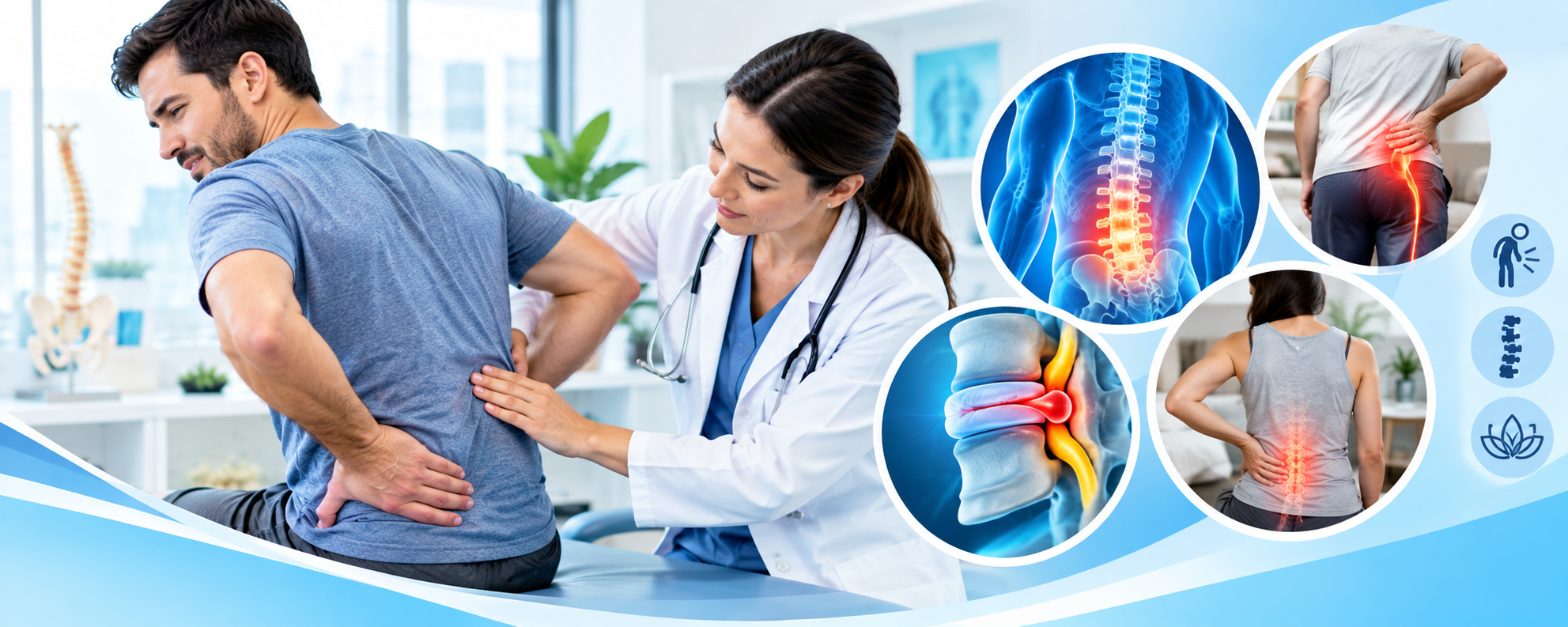
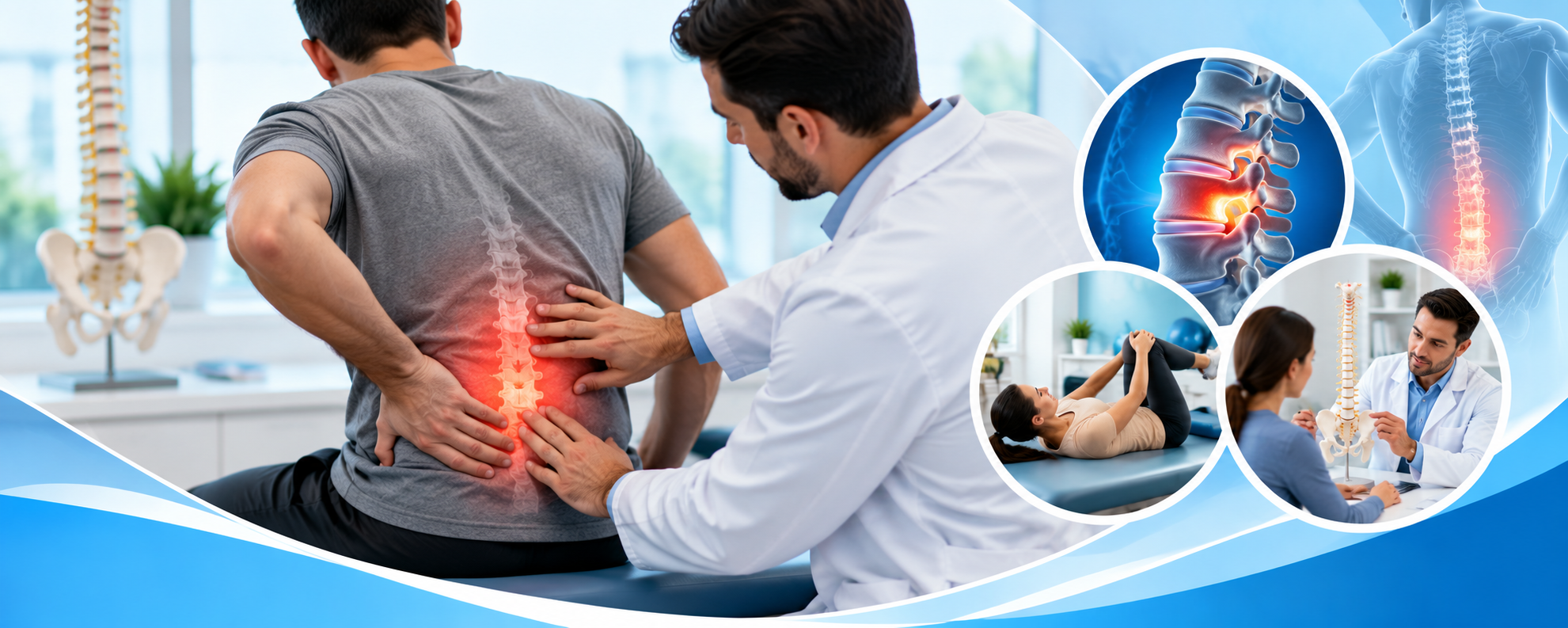
Low back pain can turn ordinary activities into daily challenges. Sitting through a workday, getting out of bed, driving across Arlington, or bending to pick something up may become uncomfortable when your lower back is not feeling right.
The right low back pain treatment in Arlington depends on what is causing the pain, how long it has lasted, and whether nerves, joints, muscles, or spinal structures are involved.
While some episodes improve with conservative care, persistent or recurring pain may require a more detailed evaluation by a pain management specialist.
Understanding your treatment options can help you make informed decisions, recognize warning signs, and explore approaches that fit your condition rather than relying on temporary relief alone.
Understanding Low Back Pain and Its Impact
Low back pain affects the lumbar region, which supports much of the body’s weight and helps you bend, twist, stand, and walk. Pain may feel dull and aching, sharp and localized, or burning and radiating, depending on the underlying cause.
For some people, discomfort develops after lifting a heavy object or spending hours in one position. Others experience recurring symptoms that interfere with sleep, exercise, work, or everyday responsibilities.
The important distinction is that low back pain is a symptom, not a diagnosis. Identifying its source helps a clinician determine which treatment options are appropriate.
What Are the Common Causes of Low Back Pain?
Low back pain can develop from several structures in and around the spine. A physical examination, medical history, and, when indicated, diagnostic imaging can help a specialist narrow down the possible cause.
1. Muscle Strain and Ligament Injuries
Muscle strains and ligament sprains are common causes of acute low back pain. They may occur after lifting, twisting suddenly, exercising beyond your usual limits, or performing repetitive movements.
Symptoms often include stiffness, tenderness, and discomfort when bending or changing positions. Many uncomplicated strains improve with conservative care, although persistent symptoms may require further evaluation.
2. Herniated or Bulging Discs
Spinal discs cushion the bones of the spine and help absorb everyday movement. When a disc bulges or herniates, it may irritate nearby nerves and contribute to pain in the lower back.
If nerve roots are affected, symptoms may travel into the buttock or leg. Tingling, numbness, or weakness can also occur, particularly with conditions such as lumbar radiculopathy.
3. Degenerative Disc Disease and Spinal Arthritis
Spinal discs and joints can change with age, sometimes contributing to stiffness and discomfort. These changes are common on imaging, but their presence does not automatically mean they are responsible for someone’s pain.
Treatment decisions should consider symptoms, examination findings, functional limitations, and other possible causes rather than relying on an imaging report alone.
4. Spinal Stenosis
Lumbar spinal stenosis occurs when spaces within the spinal canal or nerve openings become narrowed. This narrowing can place pressure on nerves and may cause back discomfort, leg pain, numbness, or heaviness.
Some people notice that standing or walking aggravates their symptoms, while sitting or leaning forward provides relief. A specialist can assess whether stenosis is contributing to these symptoms and discuss suitable treatment options.
5. Sacroiliac Joint and Facet Joint Pain
The sacroiliac joints connect the pelvis to the lower spine, while facet joints help guide movement between adjacent vertebrae. Irritation in either area can contribute to pain around the lower back, buttocks, or nearby regions.
Because these symptoms can overlap with disc-related or muscular pain, an appropriate clinical evaluation is important before selecting a targeted treatment.
How Is the Right Low Back Pain Treatment in Arlington Determined?
The best treatment plan depends on the likely pain generator, symptom severity, duration, medical history, and how the condition affects daily life.
A pain management specialist may begin with a medical history and physical examination, including an assessment of movement, strength, sensation, and relevant nerve symptoms.
Depending on the findings, the evaluation may include a review of existing imaging or additional tests when clinically indicated. Imaging is not necessary for every episode of uncomplicated low back pain.
Your clinician may consider the following factors:
- Duration: Is the pain recent, persistent, or recurring?
- Location: Is it confined to the lower back or extending into the legs?
- Neurological symptoms: Are numbness, tingling, or weakness present?
- Functional impact: Does the pain interfere with walking, sleeping, working, or routine activities?
- Previous treatment: Have physical therapy, medications, or other conservative measures helped?
This individualized approach helps avoid unnecessary procedures and supports treatment choices that are appropriate for the patient’s condition.
What Treatment Options Are Available for Low Back Pain?
Low back pain treatment may range from simple activity adjustments to specialized interventional procedures. Not every patient needs an injection or advanced treatment, and many people improve with conservative management.
1. Conservative Treatment and Physical Therapy
For uncomplicated low back pain, conservative treatment is often the initial approach. The exact plan depends on the cause of the pain and the patient’s ability to move comfortably.
Common approaches include:
- Gentle movement: Staying reasonably active as tolerated can help prevent the stiffness and deconditioning associated with prolonged bed rest.
- Physical therapy: Guided exercises may improve flexibility, strength, posture, and movement control.
- Heat or cold: Depending on the situation, these may provide temporary relief from discomfort.
- Medication management: A clinician may recommend appropriate medications after considering potential side effects, other health conditions, and existing prescriptions.
- Activity modification: Temporarily adjusting heavy lifting, repetitive bending, or other aggravating activities may help reduce strain.
Conservative care does not mean ignoring persistent pain. If symptoms continue, worsen, or limit normal activities, further assessment may be appropriate.
2. Epidural Steroid Injections
An epidural steroid injection delivers anti-inflammatory medication into the epidural space around spinal nerves. It may be considered when conditions such as a herniated disc or spinal stenosis cause inflammation and radiating leg pain.
The goal is to reduce inflammation and symptoms sufficiently to support improved function. Relief varies, and the procedure does not correct every underlying structural problem or guarantee lasting improvement.
3. Facet Joint Injections and Medial Branch Blocks
Facet joint injections and medial branch blocks may be considered when examination findings suggest that the small joints of the spine contribute to the pain.
A diagnostic medial branch block temporarily numbs nerves that carry signals from these joints. The response can help a specialist determine whether radiofrequency ablation may be appropriate for selected patients.
These procedures are not interchangeable with epidural injections because they target different potential sources of pain.
4. Radiofrequency Ablation
Radiofrequency ablation uses controlled heat to interrupt pain signals carried by selected nerves. In appropriately evaluated patients with suspected facet-mediated pain, it may provide longer-lasting relief than a temporary diagnostic block.
The procedure is generally considered after a specialist reviews the patient’s symptoms and response to diagnostic nerve blocks. Results vary, and nerves can regenerate over time, so pain may return.
5. Spinal Cord Stimulation
Spinal cord stimulation uses an implanted device to deliver electrical stimulation that changes how certain pain signals are processed. It may be considered for selected patients with persistent, difficult-to-manage pain, particularly when other treatments have not provided sufficient relief.
It is not a first-line treatment for routine low back pain.
Candidates require a comprehensive assessment to determine whether the potential benefits, limitations, and procedural risks are appropriate for their circumstances.
6. Other Targeted Treatment Options
Depending on the diagnosis, a specialist may discuss other procedures or refer the patient for surgical evaluation when necessary.
For example, selected patients with lumbar spinal stenosis may be evaluated for minimally invasive approaches, while progressive neurological deficits may warrant more urgent specialist assessment.
The most appropriate treatment is the one that addresses the identified problem while accounting for the patient’s overall health, preferences, and functional goals.
When Should You See a Low Back Pain Specialist?
You should consider seeing a specialist when low back pain persists despite initial care, repeatedly returns, or begins interfering with everyday activities.
An evaluation may also be appropriate when pain travels into a leg or is accompanied by persistent tingling or numbness.
Arrange a medical assessment if you experience:
- Pain that does not improve with appropriate self-care.
- Recurrent episodes that interfere with work, sleep, or mobility.
- Pain that radiates from the back into the buttock or leg.
- Persistent numbness, tingling, or changes in strength.
- Back pain associated with unexplained weight loss, fever, a history of cancer, or other concerning symptoms.
These symptoms do not necessarily indicate a serious condition, but they may require further investigation to establish the cause.
Which Low Back Pain Symptoms Require Emergency Care?
Certain symptoms may indicate serious nerve compression or another urgent medical problem. Seek emergency medical attention if you develop new loss of bladder or bowel control, difficulty urinating, numbness around the groin or saddle area, or significant or rapidly worsening leg weakness.
These symptoms can occur with conditions such as cauda equina syndrome, which requires urgent assessment. Do not wait for a routine pain management appointment if these warning signs develop.
Back pain following a major accident or accompanied by severe systemic symptoms may also require emergency evaluation.
How Can You Reduce the Risk of Recurring Low Back Pain?
Although not every cause of low back pain is preventable, certain habits may support spinal health and reduce avoidable strain. Prevention strategies should be adjusted to your abilities and any medical restrictions.
Consider incorporating these habits into your routine:
- Build strength gradually. Exercises that support the trunk, hips, and surrounding muscles may improve movement control.
- Move regularly throughout the day. Break up prolonged sitting with brief standing or walking periods when practical.
- Use comfortable lifting techniques. Keep loads close to your body and avoid twisting while lifting heavy objects.
- Increase activity progressively. Sudden increases in exercise intensity can aggravate symptoms.
- Prioritize recovery. Adequate sleep and appropriate pacing can help you manage activity without repeatedly aggravating pain.
- Seek guidance for persistent symptoms. A physical therapist or clinician can help adapt exercises and daily activities to your condition.
These strategies may support recovery and function, but they cannot prevent every episode of back pain.
What Should You Expect During a Low Back Pain Consultation?
A low back pain consultation typically begins with a discussion of when the symptoms started, what makes them better or worse, and whether they interfere with daily activities.
The clinician may review your medical history, previous treatments, medications, and any available imaging.
A physical examination may assess spinal movement, tenderness, walking, muscle strength, sensation, and nerve function. Additional testing is considered when the findings suggest that it would help clarify the diagnosis or guide treatment.
After the assessment, your specialist can explain the likely causes, discuss conservative and interventional options, and outline the potential benefits and risks of each approach.
You should have an opportunity to ask questions and understand why a particular treatment is being recommended.
Frequently Asked Questions About Low Back Pain Treatment
How long does low back pain usually last?
Acute low back pain often improves over days to several weeks, depending on the cause and severity. Pain that persists, worsens, or repeatedly returns should be evaluated to determine whether additional treatment is needed.
What is the most effective treatment for low back pain?
There is no single treatment that works best for every patient. Physical therapy, activity modification, medication management, targeted injections, or other interventions may be appropriate depending on the underlying diagnosis and clinical findings.
Can low back pain be treated without surgery?
Yes. Many cases of low back pain can be managed without surgery using conservative care and, when appropriate, interventional pain management procedures. Surgery may be considered for selected structural problems or significant neurological complications.
Are spinal injections appropriate for every type of back pain?
No. Spinal injections target specific anatomical structures and are most appropriate when the clinical assessment supports a particular pain source. A specialist should explain the expected benefits, risks, alternatives, and limitations before proceeding.
When should I consider low back pain treatment in Arlington?
Consider scheduling an evaluation if your pain persists, frequently returns, radiates into your leg, or limits normal activities. Seek emergency care for new bowel or bladder dysfunction, saddle-area numbness, or significant or rapidly worsening weakness.
Does low back pain always mean a herniated disc?
No. Low back pain can arise from muscles, ligaments, joints, discs, nerves, or other medical conditions. A clinical assessment helps determine which explanations are most consistent with your symptoms.
Explore Personalized Low Back Pain Treatment in Arlington
Living with low back pain can make even familiar routines feel exhausting, but you do not have to navigate your treatment options without guidance.
Understanding the source of your symptoms is an important step toward choosing care that fits your needs and goals.
At Interventional Pain and Spine, our approach focuses on evaluating the potential causes of pain and developing individualized treatment plans.
Our services include interventional pain management, spine injections, radiofrequency ablation, spinal cord stimulation, and other targeted treatment options when clinically appropriate.
If lower back pain is affecting your comfort, mobility, or quality of life, our team can help you explore appropriate next steps and the right low back pain treatment in Arlington.
Contact Interventional Pain and Spine to discuss an evaluation and learn which treatment options may be suitable for your condition.